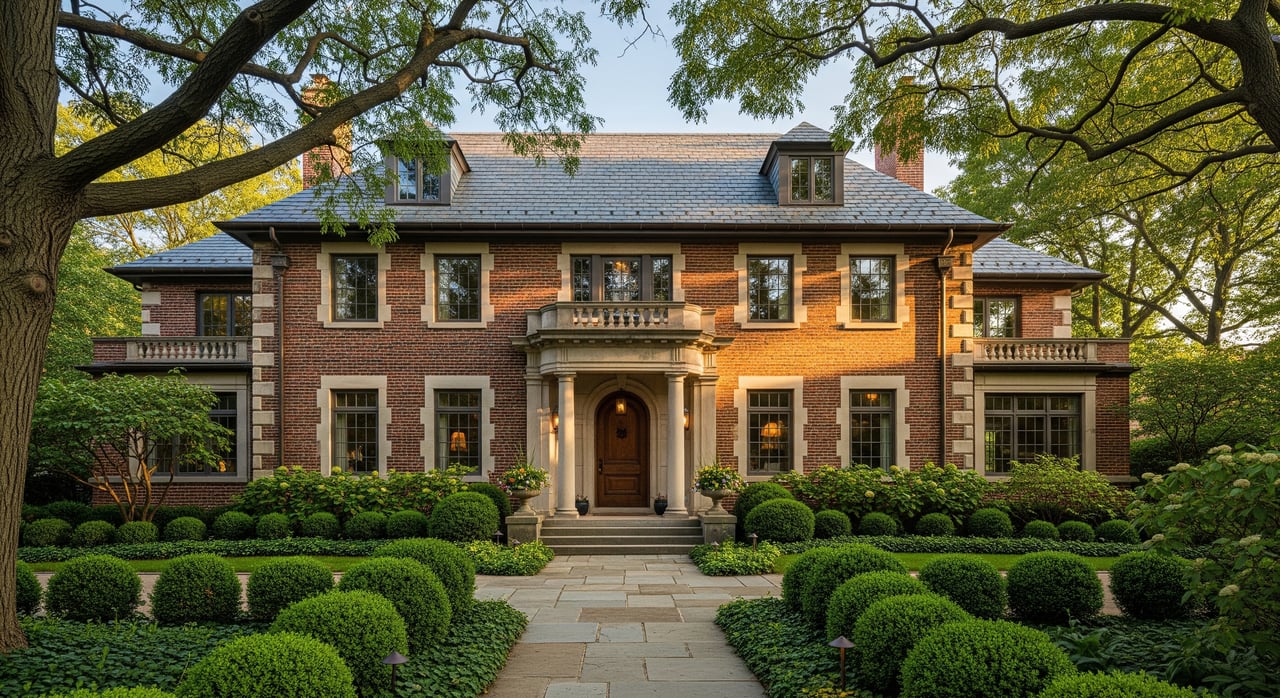
Eyeing a classic Tudor near the lake or a mid-century ranch close to the train? If you are considering a single-family home in Wilmette, you likely want space, stability, and easy access to Chicago. The choices can feel wide, especially with older homes, different lot sizes, and lake-adjacent pockets that change pricing. This guide gives you a clear picture of what to expect so you can shop with confidence and plan your next steps. Let’s dive in.
Why Wilmette draws buyers
Wilmette sits on Chicago’s North Shore in Cook County, right on Lake Michigan. With a population of roughly 27,000, it offers a primarily residential feel with established single-family neighborhoods and compact, walkable retail areas.
You will find a quieter setting than many city neighborhoods, plus a strong emphasis on detached homes. Buyers often choose Wilmette for public schools, lakefront amenities, and access to commuter rail.
Housing stock at a glance
Wilmette’s single-family market is largely owner-occupied and features early 20th-century homes, mid-century residences, and newer infill.
Lot sizes and patterns
- In-town lots are typically moderate, ranging from a few thousand square feet to around 10,000+ square feet.
- Larger parcels appear near the lake and in select enclaves, often 0.25 to over 1 acre.
- Expect smaller lots near commercial corridors and some irregular parcels where older estates were subdivided.
Styles and eras you will see
- Late 19th to early 20th century: Colonial Revival, Tudor Revival, Georgian, Craftsman/Bungalow, and Prairie-influenced designs.
- Mid-century: ranches and mid-century modern pockets.
- Recent decades: tear-downs and full rebuilds with contemporary or neo-traditional façades to fit neighborhood character.
Ages, systems, and typical updates
Many homes date from the early 1900s through the 1950s. Renovation quality varies, so plan careful due diligence. Key inspection items include:
- Roof age and condition
- HVAC replacement history and capacity
- Electrical service size and updates
- Plumbing materials and any lead or galvanized components
- Foundation condition, basement waterproofing, and sump-pump history
- Finish level of kitchens, baths, and basements, which heavily influence value
If you plan exterior changes, check local historic-preservation guidelines and village zoning before you buy.
What drives value in Wilmette
Several location and property features consistently shape pricing and resale potential:
- Proximity to Lake Michigan and official beach or park access
- Public-school zoning, including attendance at New Trier High School
- Lot size and usable outdoor space
- Architectural integrity plus quality of renovations to kitchens, baths, and mechanicals
- Commute convenience and access to Metra’s Union Pacific North line
- Neighborhood character, walkability to retail, and nearby parks
- Zoning, preservation rules, and permitting timelines affecting renovations
Price bands and smart search strategy
Wilmette covers a broad spectrum. Smaller or older homes and properties needing renovation sit at the lower end. Well-updated homes in established neighborhoods are mid-range. Lakefront, large-lot, and new construction represent the high end. Because pricing shifts, use current local comps for clarity.
Try this three-step approach:
- Define must-haves by lot size, beds, baths, parking, and renovation tolerance.
- Map priorities around school zones, lake access, and distance to a Metra station.
- Study recent sales by micro-area and lot size, then compare update levels to align expectations.
Commute, transit, and amenities
- Rail: Metra’s Union Pacific North line serves Wilmette with commuter access to downtown Chicago. Proximity to stations often adds a price premium.
- Driving: The Edens Expressway (I-94) and Lake Shore Drive are the main arteries. Drive times vary by traffic.
- Buses and CTA access: Pace buses serve local routes. CTA access is stronger in nearby Evanston.
Lifestyle draws include lakefront parks and beaches, community recreation programs, and small, walkable shopping and dining districts. Proximity to regional institutions and employers, including higher education in nearby Evanston, can support long-term value.
Inspections and due diligence essentials
With older homes, a thorough inspection is non-negotiable. Prioritize structural, roofing, electrical, plumbing, HVAC, and moisture or mold risk in basements. For very old homes, ask about potential lead paint or asbestos and the status of any remediation.
Also ask about:
- Sewer laterals and any municipal stormwater requirements that could trigger inspection or work during sale or renovation
- Past water-intrusion events, drainage improvements, or sump system upgrades
- Age of key systems and insulation levels, which affect comfort and ownership costs
Taxes, insurance, and ownership costs
- Property taxes: Cook County taxes are a significant cost. Review the current tax bill for any property you consider and confirm exemptions or assessment details with county resources.
- Insurance: Lake-adjacent homes may carry higher premiums. Confirm homeowner coverage and whether flood insurance is advisable for your location.
- Maintenance: Mature-tree care, yard upkeep, and periodic upgrades to older mechanicals are common. Budget for potential energy-efficiency improvements.
Renovation, permits, and teardown basics
If you plan an addition or a full rebuild, review village zoning and permit timelines, setbacks, and any historic-preservation or design-review requirements. Tear-downs and large infill projects are scrutinized to maintain neighborhood scale and character. Expect public process steps for larger proposals and plan your budget and timeline accordingly.
Wilmette vs. Evanston
- Housing mix and density: Wilmette leans more single-family and lower density. Evanston offers a broader mix of housing types and more mixed-use corridors.
- Lifestyle: Wilmette is often quieter and more suburban in feel. Evanston offers more urban amenities and broader transit coverage.
- Pricing: In Wilmette, larger lots and public-school zoning can push single-family values higher in many areas, though prime or renovated Evanston homes can be comparable.
- Transit: Evanston has more CTA options. Wilmette’s Metra access is a strong commuter advantage.
Smart steps to buy in Wilmette
Use this quick checklist to move efficiently and avoid surprises:
- Get pre-approved and clarify your financing plan early.
- Tour multiple micro-areas at different times of day for traffic and street feel.
- Verify school zoning with official district maps if this is a priority for you.
- Compare Metra schedules and typical drive times along your route.
- Evaluate lot size, yard usability, and drainage patterns.
- Check for any historic-preservation or zoning constraints before offering.
- Request contractor walk-throughs and rough bids if you plan upgrades.
- Monitor coming-soon or quiet opportunities with a local advisor.
- Move decisively on the right home, especially near the lake or transit.
How we help
You deserve a clear, confident path to the right Wilmette home. As senior North Shore advisors with deep experience in historic and architecturally significant properties, we pair neighborhood insight with thoughtful, data-backed guidance. Our integrated financing background helps you structure a strong, comfortable offer, and our network surfaces quality vendors and off-market opportunities.
Ready to explore Wilmette single-family homes with a trusted local team? Request a complimentary market consultation with the Mabadi Group.
FAQs
What affects single-family pricing in Wilmette the most?
- Lake proximity, public-school zoning, lot size, renovation quality, and access to a Metra station are the primary drivers.
How do lot sizes vary across Wilmette neighborhoods?
- In-town lots are moderate, while lake-adjacent and select enclaves offer larger parcels ranging from roughly 0.25 to over 1 acre.
What should I prioritize in inspections for older Wilmette homes?
- Focus on roof, HVAC, electrical, plumbing materials, foundation, basement waterproofing, and the presence of lead paint or asbestos in very old homes.
How does commuting from Wilmette to Chicago typically work?
- Most commuters use Metra’s Union Pacific North line or drive via I-94 or Lake Shore Drive, with homes near stations often trading at a premium.
Are teardowns and major additions feasible in Wilmette?
- Yes, but expect village zoning, setbacks, preservation rules in some areas, and public review for larger projects that affect scale and massing.
What ongoing ownership costs should I plan for in Wilmette?
- In addition to Cook County property taxes and insurance, budget for mature-tree care, yard maintenance, and periodic updates to older systems.
