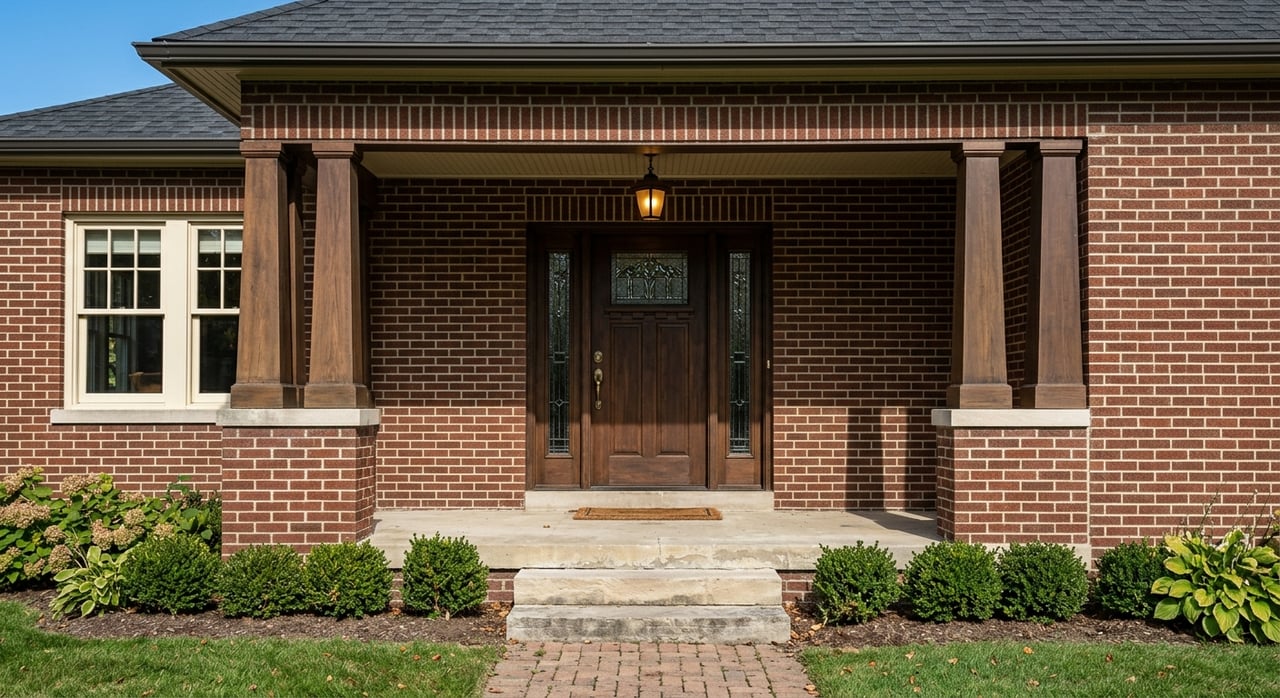
Selling a historic home in Evanston is rarely a simple paint-and-list process. If your home has landmark status, sits in a local historic district, or carries architectural significance, the choices you make before listing can affect pricing, timing, marketing, and buyer confidence. The good news is that with the right plan, you can protect the home’s character while presenting it in a way that resonates with today’s buyers. Let’s dive in.
Why Evanston historic homes need a different plan
Evanston is not a one-size-fits-all market for older homes. According to the City of Evanston, the city includes five National Register Historic Districts, four Local Historic Districts, and more than 850 registered individual Local Landmarks. The City also prepares Statements of Significance and preservation records that identify character-defining features where change should be minimized.
That matters when you sell. In Evanston, a home’s district status, landmark status, and documented architectural history can be part of its value story, not just background information. Buyers often respond strongly to homes with clear provenance, preserved details, and a thoughtful presentation.
Evanston’s architectural identity also gives historic sellers a real advantage. The City’s planning materials describe a built environment shaped by noted designers including Daniel H. Burnham, Frank Lloyd Wright, Walter Burley Griffin, George W. Maher, Dwight H. Perkins, and Eliel Saarinen, while also emphasizing the role of landscaped settings and open space in the city’s character. That context supports a sale strategy centered on authenticity, curb appeal, and period-sensitive updates rather than over-modernizing. You can review that broader context in the City’s comprehensive planning materials.
Step 1: Confirm historic status first
Before you plan repairs, staging, or exterior updates, verify exactly how your property is classified. The City of Evanston directs owners to use the About My Place and historic preservation resources to check whether a home is a local landmark or located within a local historic district.
This step comes first for a reason. If your home is historically designated, that may affect what exterior work can be done before listing and how quickly that work can begin. It also gives you a stronger foundation for pricing and marketing because you can accurately present the home’s status and significance.
Step 2: Build a repair-first prep plan
Historic homes usually benefit from a careful repair-first strategy. Evanston’s preservation guidance notes that rehabilitating existing buildings and maintaining existing materials is often more cost effective over the life of the building than replacing them, and the City points owners to National Park Service Preservation Briefs for topics like window repair, plaster restoration, and brick repointing through its historic preservation resource page.
For sellers, that means you should think twice before replacing original features that still contribute to the home’s character. Original wood windows, masonry, millwork, plaster, built-ins, and stair details can be meaningful selling points when they are well maintained. In many cases, selective restoration will support value better than generic replacement materials.
A practical pre-list review often includes:
- Exterior wood condition and paint
- Masonry and mortar condition
- Porch, railing, and stair stability
- Window operation and visible deterioration
- Roofline and gutter presentation
- Front walk, hardscape, and entry sequence
- Landscape cleanup that highlights the home rather than competes with it
Step 3: Check approvals before exterior work
In Evanston, exterior work on historic properties can involve more than a normal contractor schedule. The City states that a Certificate of Appropriateness is required for alteration, construction, relocation, and demolition of landmark buildings and properties in historic districts when a permit is required and the work is visible from the public way. The City also notes that building permits are not issued unless the COA has been approved or reviewed administratively, as outlined on its historic preservation page.
In plain terms, do not assume you can quickly replace windows, alter a porch, refresh the façade, or complete a visible exterior upgrade right before going live. Start with status verification, then confirm whether approvals or permits are needed before finalizing your scope and timeline.
Other local permit requirements can affect common curb-appeal projects too. Evanston notes on its residential permits page that registered contractors are required for permit work, some exterior projects may require a current plat of survey, tree preservation permits are required for work within 25 feet of any public or private tree, and right-of-way permits are needed for work in public areas such as sidewalks, alleys, streets, and parkways.
Step 4: Consider incentive timing
If your home may qualify for preservation-related incentives, timing matters. The State of Illinois offers a Historic Preservation Tax Credit equal to 25% of qualified rehabilitation expenditures for certified historic structures, and it also offers a Property Tax Assessment Freeze program for eligible historic, owner-occupied residences.
The state advises applicants to apply as early as possible and before construction begins because starting work too early can affect eligibility. Even if you are planning to sell rather than hold long term, these programs can still influence your decision-making around scope, sequencing, and documentation.
Step 5: Price with the right comparables
Pricing a historic home in Evanston should go beyond square footage and a broad neighborhood average. A stronger approach is to compare homes with a similar era, architectural style, district or landmark context, lot presentation, and level of preservation.
That approach fits Evanston’s preservation framework. The City’s landmark and district materials place real importance on documented significance and character-defining features, so buyers may view two similarly sized homes very differently if one has intact details, a documented history, and well-executed updates while the other has deferred maintenance or poorly matched alterations.
Market conditions still matter, of course. According to Redfin’s Evanston housing market data, Evanston is a very competitive market, homes receive about 3 offers on average, the median sale price was about $433,000 in February 2026, and the median days on market was 65. That combination suggests a polished launch still matters. In a competitive market, strong preparation can help your home stand out rather than blend into the inventory.
Step 6: Gather the home’s story
Historic homes often sell best when buyers understand what makes them special. In Evanston, the strongest listing story is usually built from verified details such as the home’s era, architect if known, district or landmark status, visible preserved features, and the quality of any completed updates.
The City specifically points owners and researchers to the Evanston History Center Research Room & Archive through its preservation resources. That can be useful when you want to collect records, photographs, or property documents that support the home’s narrative.
This documentation can help in several ways:
- It gives buyers more confidence in the home’s provenance
- It supports more accurate and compelling marketing copy
- It helps explain why certain original features matter
- It reinforces the value of careful maintenance and restoration
Step 7: Stage for character, not disguise
Staging should help buyers picture daily life in the home while keeping the architecture in focus. According to the National Association of Realtors’ 2025 Profile of Home Staging, 83% of buyers’ agents said staging makes it easier for a buyer to visualize the home as a future residence. The same report found that buyers’ agents rated photos (73%), traditional physical staging (57%), videos (48%), and virtual tours (43%) as important to clients.
For a historic Evanston home, staging works best when it frames the details rather than overwhelms them. Clean sight lines, scale-appropriate furniture, and restrained styling can draw attention to millwork, fireplaces, windows, staircases, original floors, built-ins, and dining-room proportions.
The NAR report also notes that the living room, primary bedroom, and dining room are among the most commonly staged spaces, with a median professional staging spend of $1,500. Those priorities often make sense for historic properties, especially when the goal is to connect grand or distinctive architecture with comfortable everyday use.
Step 8: Invest in a premium media plan
Historic homes deserve more than standard listing photos. Your media package should capture the architectural details and setting that define the property, including façade composition, masonry, windows, front entry, original interior features, and the relationship between the house and its lot.
That recommendation aligns with Evanston’s preservation framework, which treats character-defining features and landscaped settings as part of a property’s significance. Good photography and video should make those elements legible and inviting from the very first click.
An effective media plan may include:
- Professional daylight photography
- Virtual tours
- Video walkthroughs
- Detail photography of original features
- Exterior images that show landscaping and site context
- Marketing copy grounded in verified facts
Step 9: Use Concierge strategically
For some sellers, carefully chosen pre-list work can improve presentation without adding out-of-pocket strain before closing. Compass Concierge fronts the cost of certain home-improvement services with zero due until closing, and Compass says eligible services can include staging, flooring, painting, landscaping, cosmetic renovations, moving and storage, floor repair, and more.
For a historic home in Evanston, the best use case is usually targeted work that improves condition and presentation without erasing original character. That might mean selective painting, staging, floor repair, landscaping, or other cosmetic improvements that support a stronger first impression.
Because terms may vary by market and repayment can occur when the home sells, the listing ends, or after 12 months, it is important to review the program carefully before relying on it as part of your sale strategy.
Step 10: Launch with precision
Once the home is prepared, your launch should feel coordinated and intentional. Historic properties often perform best when the pricing, photography, narrative, and timing all support the same message: this is a distinctive home with documented character, thoughtful stewardship, and a clear value proposition.
That is especially true in Evanston, where buyers have options and the market remains competitive. A rushed launch can leave important value on the table, while a well-paced rollout can help buyers connect emotionally and financially with what makes your home unique.
If you are preparing to sell a historic home in Evanston, the best first step is a property-specific plan. The team at Mabadi Group can help you evaluate designation status, prep priorities, presentation strategy, and marketing options so you can move forward with clarity and confidence.
FAQs
How do you check if a home is historic in Evanston?
- You can use Evanston’s About My Place tool through the City’s historic preservation resources to review whether a property is a local landmark or located in a local historic district.
Do Evanston historic homes need approval for exterior work before selling?
- If the home is a landmark or in a historic district, exterior work that is visible from the public way and requires a permit may need a Certificate of Appropriateness before a building permit is issued.
What repairs should you make before selling a historic home in Evanston?
- A repair-first approach is often best, with attention to original materials and visible features such as windows, masonry, porches, millwork, and landscaping.
How should you price a historic home in Evanston?
- The strongest pricing strategy usually relies on comparables with a similar era, style, preservation level, and historic context rather than broad neighborhood averages alone.
Can Compass Concierge help prepare a historic home for sale in Evanston?
- Yes, Compass Concierge may help cover select pre-list costs such as staging, painting, landscaping, floor repair, and other eligible services, with repayment due later under program terms.
