Love the idea of catching a game and walking home minutes later? Owning near Wrigley Field can deliver that lifestyle, along with excellent transit, lively streets, and strong rental demand. It also comes with unique factors like event traffic, parking rules, and building quirks you want to understand before you buy. In this guide, you’ll get a clear picture of what to expect in Wrigleyville, what to check during due diligence, and how to align your purchase with your goals. Let’s dive in.
Why buyers choose Wrigleyville
Location and transit access
You’re in the heart of Lakeview, centered on the historic Wrigley Field and the Clark/Addison/Sheffield/Waveland intersection. Wrigley Field is recognized as a National Historic Landmark, which anchors long-term neighborhood identity and year-round appeal to visitors and locals alike. You also have the CTA Red Line’s Addison station right by the ballpark, which makes car-free living practical for many owners and tenants. If you value walkability and transit, Wrigleyville ranks high for daily convenience.
- Read more on the ballpark’s historic status at the National Park Service page for Wrigley Field’s National Historic Landmark designation.
- See the CTA Addison station details for service and location info.
Year-round activity at Gallagher Way
Next to the stadium, Gallagher Way hosts events throughout the year, from markets to music and family programming. Non-game events add steady daytime and evening activity, which can be a plus for lifestyle and nearby retail demand. If you want a quiet setting, choose your exact block and building orientation with care.
- For a snapshot of the plaza’s role in the neighborhood, check this overview of Gallagher Way programming.
Market snapshot and pricing context
Published neighborhood metrics vary by source and definition. For example, some vendor indices recently pegged Wrigleyville’s typical home value around the high five-hundreds, while others showed higher median sale prices. Treat third-party dashboards as context, not gospel. For a specific building, rely on current MLS comps, recent closed sales, and unit-level condition.
What you’ll find: buildings and features
Common building types
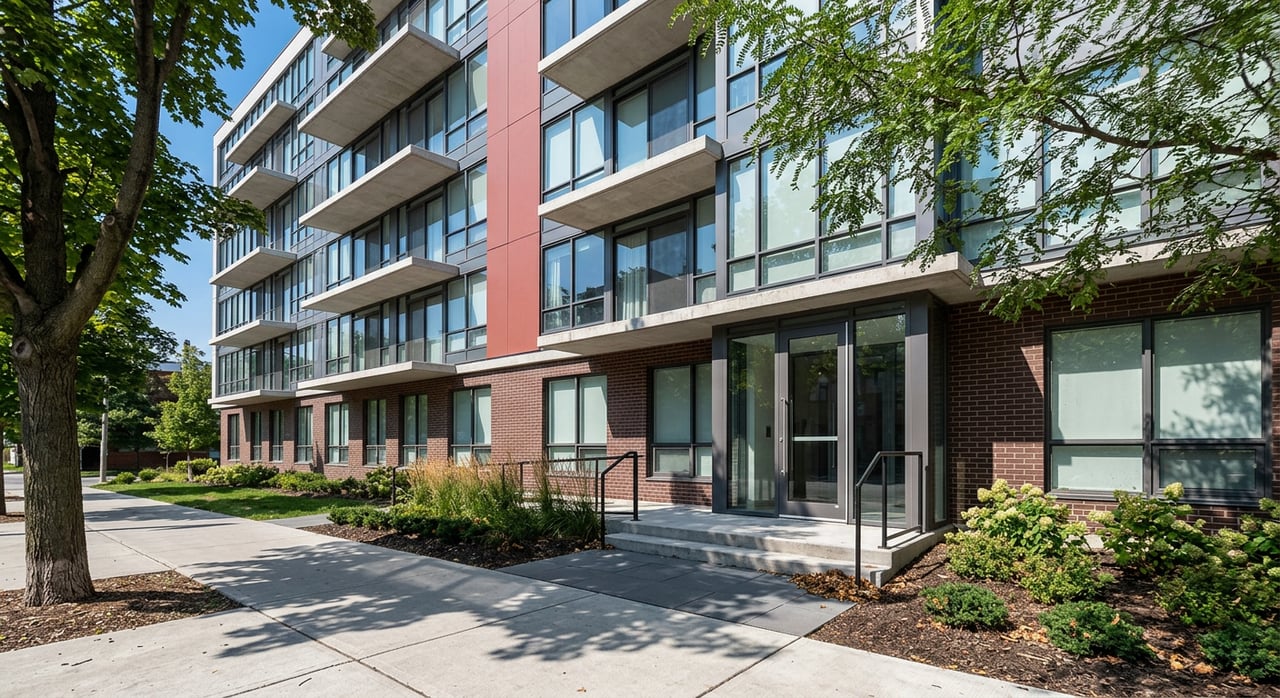
Housing stock is diverse but leans vintage. You’ll see early 20th-century masonry walk-ups and courtyard buildings, classic two- and three-flats that operate as rentals or condo conversions, plus a handful of mid-rise condos on main corridors and newer mixed-use near the ballpark. Standalone single-family homes are less common within the immediate Wrigleyville core.
- For a neighborhood overview of typical buildings, see this Wrigleyville profile of common housing types.
Unit features and tradeoffs
Vintage units may have radiator or steam heat, window AC, and shared laundry. Newer condos tend to offer central HVAC, in-unit laundry, elevators in mid-rises, and limited garage parking. To boost comfort, rental demand, and resale potential, prioritize in-unit laundry, reliable heating and cooling, elevator access for upper floors, and secure storage.
Game days: what to expect
Seasonality and crowds
Baseball’s regular season typically runs April through September, with potential postseason games in October. Home games and special events bring heavier foot traffic, longer restaurant waits, and later nights. This rhythm can be a lifestyle perk if you enjoy the energy, or a planning point if you prefer calmer evenings.
- For general timing, see MLB’s announcement cadence for each season, like the 2025 regular season schedule release.
Rooftops and sightlines
Rooftop clubs across from the stadium have shaped the neighborhood experience for decades, including licensing deals and litigation over views and renovations. If your unit faces the ballpark or a rooftop venue, ask about rooftop operating hours, ownership, and any agreements that may influence noise or light spill.
- For historical context, review this summary of rooftop litigation and team acquisitions.
Noise and nightlife
The Clark Street corridor is lively, and game nights amplify activity. If you are noise-sensitive, target side streets farther from the stadium or buildings with double-pane windows and better sound attenuation. Speak with current residents and the HOA or building manager to understand typical event-night patterns.
- Programming at the adjacent plaza keeps foot traffic steady; this Gallagher Way overview gives you a flavor of non-game events.
Parking, permits, and access
Resident zones and LV-2 rules
The city uses resident-only parking rules and tow zones on event nights to limit congestion near the stadium. On-street parking can be tightly restricted during night games and concerts. If parking matters to you or future tenants, verify whether your block qualifies for a resident permit and how guest parking is handled.
- Review the city’s Wrigley-area tow and permit language, including LV-2 references, in this municipal code resource.
Protect your parking in a purchase
If a listing says “parking included,” confirm exactly what that means in writing. Look for deeded garage or assigned spaces in the condo declaration and plat. If a dedicated space is essential, make it a contract item and verify access, location, and any fees before you waive contingencies.
Renting your place: rules and returns
Short-term vs long-term strategy
Short-term rentals in Chicago are regulated as Shared Housing and require registration, taxes, and compliance with occupancy and insurance standards. Many condo buildings prohibit short-term rentals or require explicit board approval. For many buyers, a stable 12-month lease strategy is simpler and more predictable than STRs in this area.
- See a summary of Chicago’s Shared Housing registration and rules to understand the framework you must follow.
RLTO basics for landlords
If you plan to rent your unit, Chicago’s Residential Landlord and Tenant Ordinance sets rules for security deposits, notices, and maintenance. It is detailed and strongly enforced. Work with a local attorney or property manager to ensure your lease and processes align with RLTO requirements.
- Review a city-focused summary of the Chicago RLTO and tenant-rights resources.
Taxes, HOA health, and financing
Cook County assessments and tax checks
Property taxes in Cook County vary by property class, exemptions, and local taxing districts. Do not rely on neighborhood averages to forecast your bill. Instead, pull the exact property identification number (PIN), review the assessor’s history, and confirm the most recent tax bills with the seller.
- Start with the Assessor’s FAQ on assessments and how bills are calculated.
Condo rules and project eligibility
For condos, review the declaration, bylaws, financials, reserve studies, insurance, and meeting minutes. Note rental caps, short-term restrictions, or approval requirements that can affect your plans and exit options. Lenders also evaluate building eligibility and owner-occupancy ratios, so confirm project approval early to avoid surprises.
Due diligence checklist for buyers
Use this list to drive a thorough review before you commit:
- Verify unit boundaries, storage, and any deeded or assigned parking in the condo declaration and plat. Document elevator and service access if relevant.
- Ask for three years of HOA financials, reserve studies, insurance certificates, and meeting minutes. Look for special assessments or deferred maintenance.
- Pull the property’s tax history by PIN and confirm recent tax bills with the seller. Cross-check exemptions and expected changes with the Assessor’s office. Refer to the Cook County Assessor FAQ.
- If your unit is near rooftop venues or faces Gallagher Way, ask about rooftop ownership or licensing and typical event schedules. Consider sound mitigation and window quality. For context, see the rooftop history and litigation overview.
- Confirm eligibility for short-term rentals with the city’s Shared Housing framework and your HOA. Budget for lodging taxes and compliance costs. Review the Shared Housing rules summary.
- Review Wrigley-area parking restrictions and ensure any included parking is documented. See resident permit guidance in the municipal code reference.
- If you plan to rent long-term, make sure your lease and practices comply with the Chicago RLTO. Consider a property manager’s input on seasonal demand.
Red flags and negotiation tips
- Parking promises without paperwork. If a listing says parking is included but the deed or condo map is silent, consider that a red flag. Clarify in writing.
- Condos with frequent special assessments or litigation in the minutes. These can increase your holding costs and risk profile.
- Strict rental restrictions. Caps or prohibitions on rentals will limit investor options and potential exit strategies.
- Rooftop-adjacent exposure. If the view or peace-and-quiet is central to your plan, verify rooftop operations and sightlines before you write the offer.
On the negotiation side, insist on the full condo resale package, recent financials, insurance, and any rooftop or airspace easements. Engage a lender early to confirm project eligibility and owner-occupancy ratios. Assemble your team up front: a local buyer’s agent who knows the neighborhood, a Chicago-focused attorney, and a property manager for rent and turnover estimates.
How to align the purchase with your goals
If you want a primary residence with urban convenience, prioritize a quiet block, strong building maintenance, and comfort features like in-unit laundry and central air. If you want an income-producing property, confirm your rental strategy fits building rules and city law, then model seasonality and taxes carefully. In both cases, transit access and proximity to amenities help long-term demand, while thoughtful due diligence helps you avoid costly surprises.
When you are ready, tap experienced guidance. The Mabadi Group blends neighborhood storytelling, premium marketing, and financing know-how to help you buy with clarity. Request a complimentary market consultation, and we’ll tailor a clear plan for your Wrigleyville search.
FAQs
What makes Wrigleyville attractive for buyers near Wrigley Field?
- You get excellent CTA Red Line access, walkable amenities, and year-round activity anchored by a National Historic Landmark ballpark and the Gallagher Way plaza.
How do game days affect daily life for Wrigleyville owners?
- Expect heavier foot traffic, later nights, and busier restaurants during the MLB season, with timing shaped by the league’s spring-to-fall schedule.
Are there special parking rules near Wrigley Field I should know?
- Yes, resident permit and tow-zone rules, including LV-2 references, tighten parking on event nights, so verify permit eligibility and any deeded space using the city’s code reference.
Can I operate a short-term rental in a Wrigleyville condo?
- Only if both the City and your HOA allow it; Chicago treats STRs as Shared Housing with registration, taxes, and compliance detailed in this policy summary.
What are common Wrigleyville building types and features?
- You’ll see vintage walk-ups, courtyard buildings, and classic two- and three-flats, with newer mid-rise condos on major corridors; see this housing stock overview.
How do I check taxes for a specific Wrigleyville property?
- Pull the property’s PIN and review the Assessor’s history and recent bills; start with the Cook County Assessor FAQ.
What landlord rules apply if I rent my Wrigleyville unit long-term?
- Chicago’s RLTO governs deposits, notices, and maintenance standards; align your lease and practices with this RLTO resource.
