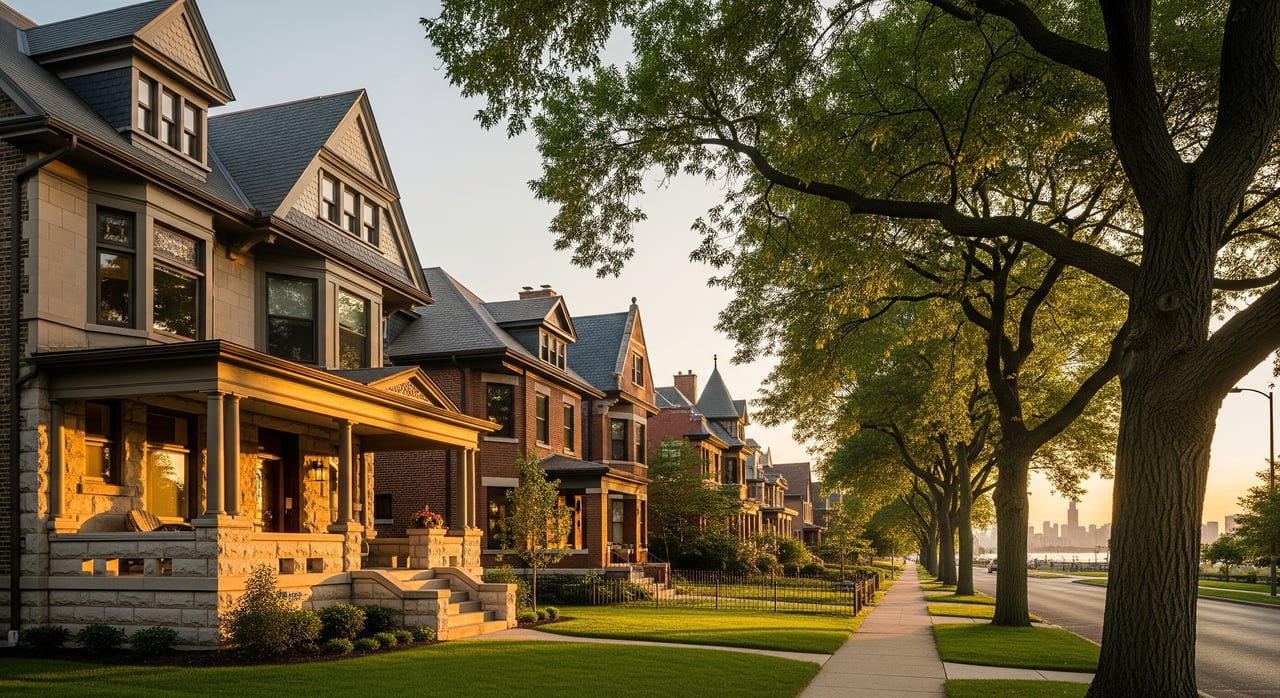
Love the idea of morning coffee on a front porch beneath mature maples, then a quick stroll to the Purple Line or the lake? In Evanston, you can match that daydream to a real street and a real house style. Whether you are just browsing or getting ready to buy, it helps to know how architecture, lot sizes, and transit come together here. This guide walks you through Evanston’s historic homes, the streets that showcase them, and what to consider if you plan to make one yours. Let’s dive in.
Evanston’s historic fabric
Evanston sits along Lake Michigan with Northwestern University anchoring the lakeshore and a compact downtown around Davis Street. The city grew in layers, so you see Victorian-era homes near the lake and a rich mix of early 20th-century houses inland. Multifamily buildings cluster near transit and commercial corridors, which helps keep everyday errands walkable.
The late 19th century brought large lakefront residences and ornate Victorians. From 1900 to 1930, streetcar and rail access fueled bungalows, American Foursquares, Craftsman, and Colonial Revival homes on moderate lots. Mid-century years added some subdivisions and vintage apartments near transit. Today, preservation is active and exterior changes on designated properties often require review.
Signature styles and where to look
Victorian near the lake
If you love asymmetry, decorative trim, and wraparound porches, you will find Victorian-era character on lake-adjacent boulevards and older blocks near the original downtown. Expect larger lots, formal front yards, and those picturesque turrets and steep roofs that make each house distinct.
Foursquares and Colonial Revival
Boxy two or two-and-a-half story homes with hipped roofs and full-width porches line many interior blocks within walking distance of Davis Street and Central Street. These houses feel solid and balanced, with restrained classical details and sidewalks shaded by mature trees.
Bungalows and Craftsman blocks
Streetcar-era bungalows and Craftsman homes from the 1910s to 1930s are common on narrower lots near Purple Line stops and commercial corridors. You get low-pitched roofs, deep porches with tapered columns, and a comfortable, neighborly rhythm from house to house. Smaller yards make it easy to say hello to passersby.
Prairie and early Modern
Select architect-designed homes show strong horizontal lines, overhanging eaves, and banded windows that sit comfortably in the landscape. These are scattered across several neighborhoods and reward a close look if you value craftsmanship and regional design.
Tudor and eclectic revivals
From decorative half-timbering to arched doorways and masonry details, 1920s and 1930s revival styles add texture to many residential streets. You will notice varied rooflines and warm materials that create a classic streetscape.
Vintage apartments near transit
Brick walk-up apartment buildings with period details help define streets near downtown and major transit corridors. Homeowners and renters share the same character-rich blocks, which keeps sidewalks lively and everyday amenities close.
Streets and daily rhythms
Sheridan Road and the lakefront
Sheridan Road and nearby boulevards offer long sightlines, grand setbacks, and mature trees with Lake Michigan just steps away. Daily life here means lakeshore walks, quiet streets, and easy access to beaches and parks. The atmosphere feels open and enduring, with seasonal energy from university events.
Downtown and Davis Street
Downtown Evanston is your transit and activity hub. Around Davis Street, you can walk to coffee, restaurants, and services, and catch frequent trains. Nearby residential streets mix period single-family homes with vintage apartments, so a car-light lifestyle is practical.
Central Street corridor
Central Street blends local shops and cafes with early 20th-century houses and bungalows on tree-lined blocks. You can run errands on foot, hop a bus, or walk to transit while keeping a neighborhood feel.
Inland residential grids
North, south, and mid-Evanston blocks form cohesive neighborhoods of bungalows, foursquares, and Colonial Revival homes on medium lots. Porches, sidewalks, and mature trees define the experience, with small parks and playgrounds sprinkled throughout.
Transitional mixed-use edges
Along parts of Dempster, Central, and Sherman, single-family houses meet busier commercial stretches. You trade some quiet for convenience, with quick access to shops and transit. Side streets often offer calmer settings just steps from the action.
Architecture, lots, and walkability
Late 19th-century houses near the lake often sit on larger lots with generous setbacks. Early 20th-century homes were built for streetcar and rail access, so lots tend to be moderate to narrow, which creates compact, walkable blocks. Later subdivisions can have more side yard space but sit farther from central transit.
Walkability is highest near Davis Street and Central Street, where shops, dining, and services cluster. Blocks filled with bungalows and foursquares are especially pedestrian friendly, since they grew around transit and parks. Lakefront areas offer scenic access to beaches and green space, with some tradeoffs in proximity to commercial hubs.
Historic homes are frequently within a short walk of transit. You will find CTA Purple Line stations, bus routes, and commuter rail at major hubs, which supports flexible commutes. That early streetcar-era planning still benefits daily life today.
Owning a historic Evanston home
Preservation and permits
Evanston has an active Historic Preservation Commission, and many properties are designated as landmarks or sit within historic districts. If your home is designated, exterior alterations often require review or a certificate of appropriateness. Before planning exterior work, check local status and permitting requirements with the city’s preservation office.
Maintenance checkpoints
Older homes are rich in detail and craft, and they need thoughtful care. Expect to evaluate windows and sash, electrical systems, insulation levels, plumbing, and HVAC. In very old houses, testing for lead paint and asbestos is common, and early remediation planning can save surprise costs. Energy upgrades like insulation, storm windows, and efficient HVAC improve comfort, but they should be planned to respect historic materials.
Layout and function
Many period homes have compartmentalized floor plans with formal parlors and separate kitchens. If you want an open plan, you may need structural work to reconfigure spaces. Bedrooms and baths may be smaller or fewer than in newer homes, so adding a bathroom suite or closet storage is a frequent project.
Accessibility planning
Single-level living and other accessibility features are less common in older houses. If mobility is a priority, you might plan for entry improvements, bathroom updates, or other modifications that align with preservation rules and structural realities.
Cost and market tradeoffs
Historic properties can command premiums for character, location, and lot scale. At the same time, renovation and maintenance costs are often higher than for newer construction. Many buyers accept these tradeoffs for architecture, mature streetscapes, and proximity to parks and transit.
Quick buyer checklist
- Confirm landmark or district status before exterior work.
- Inspect roof, foundation, drainage, and attic insulation.
- Evaluate electrical, plumbing, and HVAC for safety and capacity.
- Test for lead paint in homes built before 1978 and plan remediation.
- Review window condition and consider repair plus storm windows.
- Map walking distance to your most-used transit stops and shops.
- Consider future projects, like kitchen reconfiguration or bath additions.
- Check permit history to understand past work and approvals.
Why work with The Mabadi Group
When you buy or sell a historic Evanston home, you want a team that understands architecture, local preservation, and how buyers live day to day. The Mabadi Group specializes in marketing and transacting historic and architecturally significant single-family homes across Evanston and the North Shore. You get a premium marketing toolkit with professional photography, VHT virtual tours, staging, and curated collateral that showcase period details the right way.
You also benefit from deep local expertise and a financing-informed approach. That combination helps you price, position, and package your purchase or sale for smoother, faster closings. For buyers, the team can help you balance walkability, lot size, and renovation goals. For sellers, they craft a property narrative that connects architecture and lifestyle to the right audience.
If you are ready to explore Evanston’s historic homes, connect with the Mabadi Group to plan your next step.
FAQs
Are exterior renovations restricted in Evanston?
- If a home is locally landmarked or within a designated historic district, exterior changes often require review and permits from the City’s Historic Preservation Commission.
Do historic areas offer good transit access?
- Many historic blocks, especially those built during the streetcar and early rail eras, sit within a short walk of CTA Purple Line stations, bus routes, and commuter rail hubs.
What maintenance surprises should I expect?
- Common issues include roof or drainage needs, older electrical and plumbing, limited insulation, original single-pane windows, and the potential for lead paint in pre-1978 homes.
Are there incentives to preserve historic homes?
- Federal and state rehabilitation tax credits usually apply to income-producing properties, and local programs vary, so you should check with the city’s preservation office for current options.
How do lot sizes vary by architectural era?
- Lakefront and late 19th-century houses tend to sit on larger lots, while early 20th-century bungalows and foursquares occupy moderate to narrow lots that support walkable blocks.
