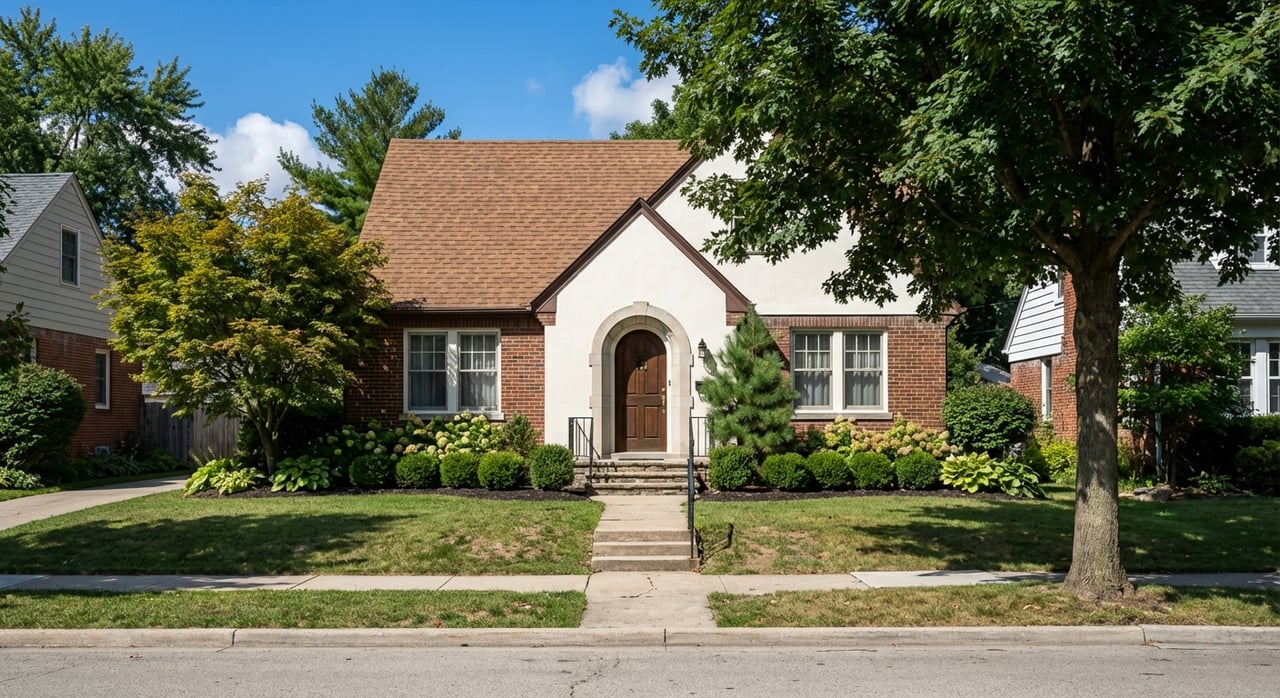
Thinking about trading space for simplicity on the North Shore? If you are eyeing Lake Forest, you will find classic architecture, a calm lakefront, and practical options to lighten your maintenance load. In this guide, you will learn what homes and neighborhoods fit a downsizer’s lifestyle, how to budget for taxes and upkeep, and which conveniences matter most. Let’s dive in.
Why downsize to Lake Forest
Lake Forest blends a small-city feel with rich cultural and outdoor amenities. The community is educated and affluent, with a median household income near $235,000, and a stable population just under 20,000, according to U.S. Census QuickFacts. You get preserved open space, a historic downtown core, lake access, and two Metra lines for easy trips to Chicago.
For many, the draw is clear. You can scale back the chores and still enjoy shoreline walks, community programming, and good rail access. The key is choosing the right pocket of town for how you want to live day to day.
Market snapshot and prices
Lake Forest sits at the high end of the North Shore market. Recent aggregator snapshots commonly place median values around 1.1 to 1.2 million dollars. Lakefront estates command higher prices, while smaller condos and townhomes land on the lower end. Inventory is primarily single-family homes, with condos and rentals making up a smaller share.
If you plan to buy, expect more variation than a simple median suggests. Condition, location near the lake or downtown, lot size, association amenities, and architectural pedigree all influence value. Work closely with your agent to track current comparable sales when you are ready to write offers.
Where to live in Lake Forest
Market Square and East Lake Forest
- What it feels like: The historic in-town core centers on Market Square, a planned shopping district created in 1916 and still the retail and dining heart of the city. Learn more about its design and history from The Cultural Landscape Foundation.
- Why it works for downsizers: This is the most walkable pocket in a largely car-oriented city. You are close to cafes, the library, the Union Pacific North Metra station, and small condo or apartment options.
West Side and Settlers’ Square
- What it feels like: More suburban and auto-oriented, with single-family subdivisions, larger lots in some areas, and access to everyday retail around Settlers’ Square.
- Why it works for downsizers: You still get a Metra option via the Milwaukee District North Line and easier access to big-box errands. Service patterns differ by line, so confirm schedules and parking.
Conway Farms and club enclaves
- What it feels like: Master-planned living with a private golf course environment and newer homes. The setting is quiet and designed for low-street maintenance.
- Why it works for downsizers: You want lower yard work with access to built-in amenities. Learn more about the neighborhood profile from the Conway Farms community page.
Lakefront and Sheridan Road
- What it feels like: Architecturally significant homes, bluff-top settings, and private stretches of shore in places. Views and privacy are the draw.
- Why it works for downsizers: You value the lake above all else and accept specialized upkeep. Shoreline ownership carries higher costs and rules, so plan due diligence early.
Fort Sheridan and preserves
- What it feels like: A unique mix of preserved open space, lakefront trails, and limited public beach access in a historic setting.
- Why it works for downsizers: You want daily nature without private-shore obligations. Start with the Fort Sheridan Forest Preserve overview.
Condo and townhome options
- What it feels like: Smaller footprints and shared maintenance. Most options cluster near downtown or in select infill developments.
- Why it works for downsizers: You trade private yard work for HOA coverage of landscaping, snow removal, and exterior care. Always verify what the fees include.
Commute, walkability, and daily convenience
Lake Forest has two Metra stations on different lines. The Union Pacific North station sits by Market Square, and the Milwaukee District North station serves the west side. Check schedules, parking rules, and service patterns on the Metra station page.
Walkability varies a lot by block. As a whole, Lake Forest is car dependent, which is why the in-town core stands out for errands and quick trips. See the city profile on Walk Score for a general orientation, then test your favorite destinations from any listing you tour.
Costs to plan for
Property taxes
Lake Forest is in Lake County, where tax bills reflect multiple taxing bodies, including schools and local districts. Effective rates often land near 1.8 to 2.0 percent for many parcels, but bills vary widely by value and location. You can explore line items and examples in the Lake County tax portal. Build taxes into your monthly budget from day one.
Maintenance and reserves
A practical rule of thumb is to budget about 1 to 3 percent of your home value per year for maintenance. Older, historic, or amenity-heavy properties may sit at the higher end of that range. For background on the total cost of ownership concept, see this overview of the 1 to 3 percent guideline from Economy Insights.
HOA and condo fees
Association living reduces yard work and exterior responsibilities. In exchange, you will pay monthly dues that vary based on amenities, insurance, and reserve funding. Request the budget, reserve study, and minutes, and ask about any pending special assessments before you commit.
Historic homes
Lake Forest has many architecturally notable homes. Expect specialized trades for roofs, masonry, windows, and older mechanicals. If you love the character but want less caretaking, target updated homes with documented system upgrades and consider service plans with trusted vendors.
Lakefront ownership
Shoreline properties require extra diligence. Verify permits for any seawalls or shoreline work, study erosion and bluff history, and confirm any access agreements. Illinois has a mix of public and private shoreline rules, so review the basics with resources like Beachapedia’s Illinois beach access summary and compare that to your specific parcel records.
Quick budget examples
These examples are for illustration only. Real numbers will vary by property, association, and tax bill.
In-town condo at 500,000 dollars
- Property tax at 1.8 to 2.0 percent: about 9,000 to 10,000 dollars per year, or 750 to 835 dollars per month.
- Maintenance reserve at 1 percent: about 5,000 dollars per year, or 415 dollars per month. At 2 percent, about 10,000 dollars per year, or 835 dollars per month.
- HOA dues: assume 400 to 700 dollars per month depending on services and reserves. Verify actual figures and coverage.
Single-family home at 1.2 million dollars
- Property tax at 1.8 to 2.0 percent: about 21,600 to 24,000 dollars per year, or 1,800 to 2,000 dollars per month.
- Maintenance reserve at 1 percent: about 12,000 dollars per year, or 1,000 dollars per month. At 2 percent, about 24,000 dollars per year, or 2,000 dollars per month.
If you are considering a lakefront estate, set expectations higher for both taxes and maintenance. If you prefer a townhome or condo, weigh the predictability of HOA dues against any upcoming capital projects.
How to prioritize your search
- Commute or no commute. If rail access matters, pick your Metra line first and focus nearby.
- Walkability vs space. Decide how important short walks to coffee, groceries, and the library are compared to a larger home or lot.
- Lake access. Choose between private shoreline responsibilities and proximity to public access at places like Forest Park Beach or the Fort Sheridan preserve.
- Budget with taxes and dues. Build taxes, a maintenance reserve, and potential HOA fees into an honest monthly number before you shop.
- Architectural preferences. If you want historic character, plan for specialized inspections and future system updates.
What to ask and inspect
Create a simple checklist for each tour:
- Roof age and condition. HVAC age and service history.
- Evidence of grading, drainage, or foundation movement.
- Utility cost history and insulation or window updates.
- If lakefront: documented permits for seawalls or shoreline work and any neighbor access agreements.
- If condo or townhome: association budget, reserves, recent minutes, and known or pending special assessments.
- Practical proximity to healthcare. Northwestern Medicine Lake Forest Hospital is the primary local hospital. You can get oriented with this hospital overview.
Local lifestyle and culture
Lake Forest rewards everyday routines. Downtown offers dining, the library, and community events at venues like Gorton Community Center. Public shoreline time is easy at Forest Park Beach with resident parking rules and guest passes. For trails and birding, the Fort Sheridan Forest Preserve delivers lake views without owning a bluff.
Next steps
If you are ready to simplify, start with your non-negotiables: walkability, lake access, or a near-zero yard. Then build a realistic monthly budget that includes taxes, maintenance, and any HOA dues. From there, tour two or three neighborhoods that fit your priorities and compare how each feels at different times of day. When you are ready for a focused search, reach out to the Mabadi Group for a complimentary consultation. Our team pairs deep North Shore knowledge with careful financial guidance so you can downsize with confidence and clarity.
FAQs
What price ranges can downsizers expect in Lake Forest?
- Aggregated snapshots often place the median around 1.1 to 1.2 million dollars, with smaller condos below that and lakefront estates above; exact values depend on location, condition, and amenities.
How walkable is Lake Forest for daily errands?
- The city as a whole is car dependent, but the in-town Market Square area is a notable exception with short walks to shops, dining, the library, and the Union Pacific North Metra station; see the Walk Score overview for context.
Which Lake Forest areas suit low-maintenance living?
- Look at downtown-adjacent condos and townhomes or master-planned options like Conway Farms that offer shared maintenance and built-in amenities; confirm HOA coverage and reserves in each case.
What are typical property taxes in Lake Forest?
- Effective rates near 1.8 to 2.0 percent are common but actual bills vary widely by parcel and value; review sample line items on the Lake County tax portal and verify the bill for any home you consider.
How is commuter rail access in Lake Forest?
- There are two Metra stations on different lines, the Union Pacific North near Market Square and the Milwaukee District North on the west side; check schedules and parking at the Metra station page.
What should I budget for home maintenance after downsizing?
- A practical starting point is 1 to 3 percent of home value per year, with older or amenity-heavy homes at the higher end; see this summary of the rule of thumb from Economy Insights.
Are there public lake access options if I do not own on the lake?
- Yes. Residents use Forest Park Beach and the Fort Sheridan Forest Preserve for shoreline time, each with its own parking rules and access details.
